


2025-07-07 16:59
Proxy Servers: How They Work & Why You Need Them
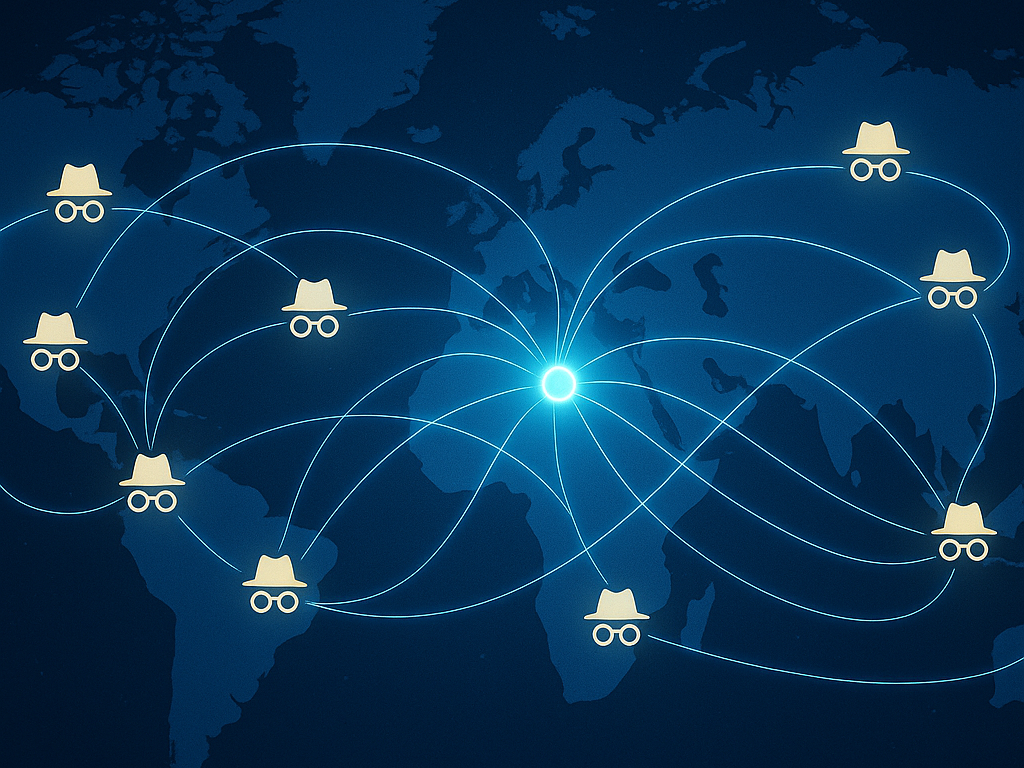 Proxy servers play a vital role in today’s digital ecosystem. Acting as intermediaries between clients (like your computer) and the broader internet, they manage requests, hide IP addresses, enhance security, and improve performance. Whether you're browsing anonymously, optimizing business operations, or bypassing content restrictions, understanding how proxy servers work is essential.
For a fast, reliable proxy experience, check out FlyProxy, a secure and powerful tool for browsing and traffic management.
Key Concepts: What Is a Proxy Server?
A proxy server is an intermediary system that forwards requests between users and the internet. It receives traffic from a user, masks the original IP address, and communicates with destination servers on the user's behalf.
How Proxy Servers Work
-
Request Handling: The client sends a request to the proxy, which forwards it to the target server using its own IP address.
-
Response Relay: The proxy receives the response and returns it to the client.
-
IP Masking: External servers only see the proxy's IP, not the client's real IP address.
Common Types of Proxy Servers
Different types of proxy servers serve different purposes:
-
Forward Proxies: Standard type used to mask client identity.
-
Reverse Proxies: Positioned in front of web servers to manage inbound traffic.
-
Transparent Proxies: Intercept traffic without modifying requests.
-
Anonymous and Elite Proxies: Provide varying levels of identity protection.
Real-World Applications of Proxy Servers
1. Security and Privacy
-
IP Masking & Anonymity: Hide your IP to protect personal data and avoid tracking.
-
Threat Protection: Filter malicious traffic, block suspicious IPs, and prevent DDoS attacks.
-
Data Leak Prevention: Control and monitor outbound traffic to safeguard sensitive information.
2. Performance Optimization
-
Caching: Store frequently accessed data to reduce load times and bandwidth usage.
-
Load Balancing: Distribute requests across servers for maximum efficiency.
-
Bandwidth Management: Regulate usage to prevent network congestion.
3. Access Control and Content Filtering
-
Content Filtering: Block inappropriate or restricted websites based on policy.
-
Access Control: Enforce user-level restrictions for secure access to network resources.
4. Bypassing Restrictions
-
Geo-Restriction Bypass: Access content from different regions by connecting via foreign proxies.
-
Censorship Circumvention: Reach blocked sites in restricted countries or regions.
5. Business Intelligence and Automation
-
Web Scraping: Collect data from websites anonymously without triggering anti-bot measures.
-
SEO Monitoring: Track search engine results from multiple locations.
-
Ad Verification: Ensure proper ad placement and detect fraud.
-
Market Research: Conduct competitor analysis without revealing your identity.
6. IoT and Remote Device Management
-
Remote Management: Securely control IoT devices and endpoints via proxies, enhancing operational safety and scalability.
Proxy Servers in Action: Use Case Summary
| Application Area | Benefits of Proxy Servers |
| Privacy & Security | IP masking, DDoS protection, data loss prevention |
| Performance | Caching, load balancing, bandwidth optimization |
| Access Control | Policy-based filtering, user-level permissions |
| Bypassing Blocks | Access geo-restricted or censored content |
| Business Automation | SEO tracking, web scraping, ad monitoring |
| IoT | Secure remote access and management of smart devices |
Conclusion
Proxy servers are indispensable for individuals, businesses, and IT professionals seeking to enhance digital privacy, optimize performance, and automate operations. From basic browsing protection to large-scale data collection, their utility spans a wide range of applications.
Ready to experience the benefits of proxy servers? Visit FlyProxy for a secure, high-speed solution to meet your needs.
受欢迎的博客
1.Nstbrowser - A Free Anti-Detect Browser Simplifies Web Scraping and Automation
2.First Choice For Social Media Proxies: Unlimited Residential Proxy
3.Residential Proxies and Brand Protection
4.Five benefits that residential proxies can bring to e-commerce
5.Static Residential Proxies With Operating Multiple Facebook Accounts
6.Setting up FlyProxy Proxies on XLogin Tutorial
分享文章